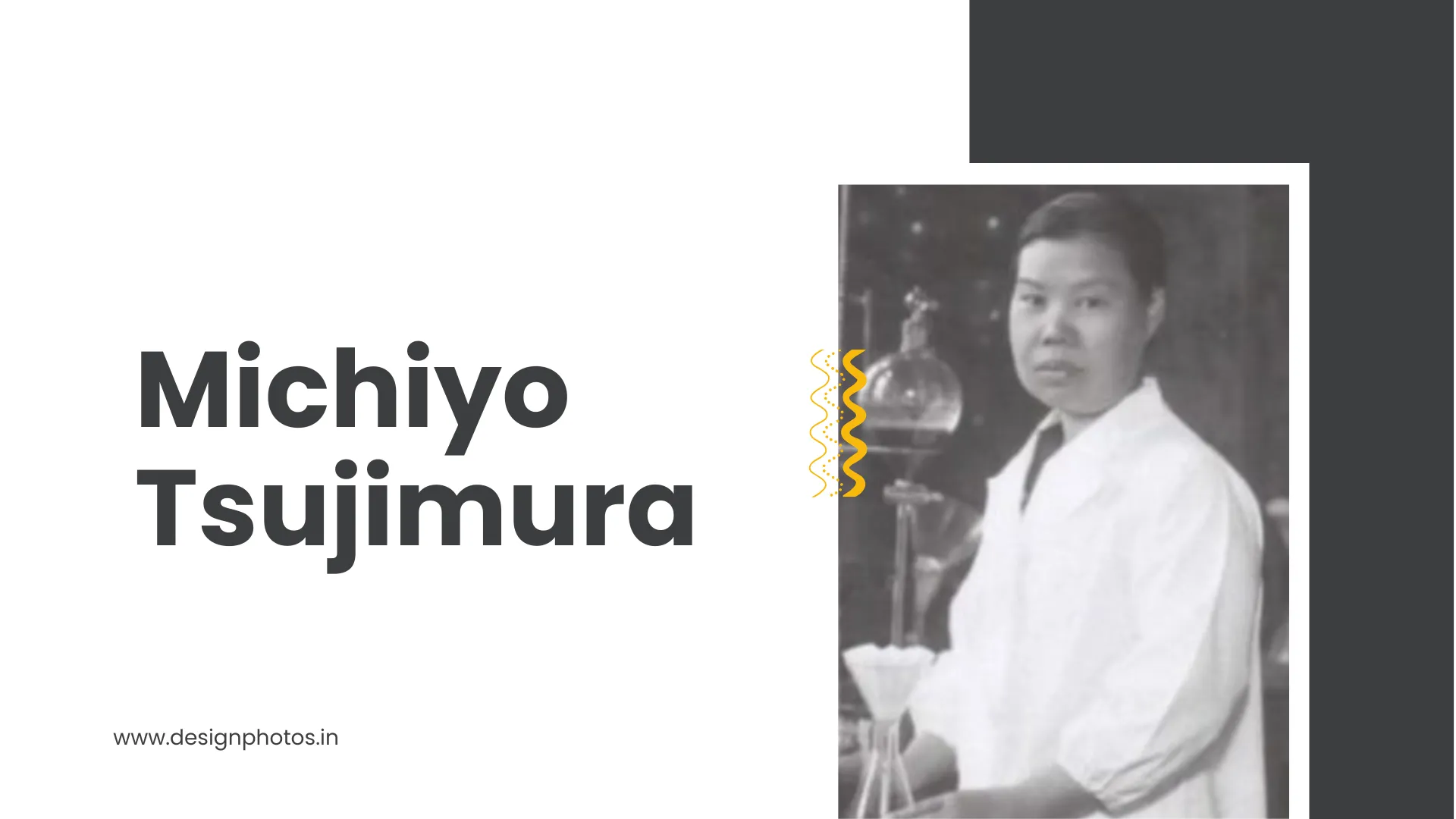
Michiyo Tsujimura was a Japanese agricultural scientist and biochemist whose pioneering research decoded the chemistry of green tea and reshaped its global reputation for health benefits. Rising from unpaid lab assistant to Japan’s first woman to earn a doctorate in agriculture, her work linked flavor, nutrition, and export economics in ways that continue to influence food science and tea culture.
Early Life and Education
Born on September 17, 1888, in Okegawa, Saitama Prefecture, Tsujimura began her career as a science teacher before pursuing laboratory research opportunities that were often closed to women. Her foundational training at women’s higher education institutions set the stage for a research path that would later bridge chemistry, nutrition, and agricultural science.
Breaking Barriers in the Lab
In 1920, Michiyo Tsujimura joined Hokkaido Imperial University as an unpaid assistant in agricultural chemistry, focusing initially on silkworm nutrition at a time when women were not officially admitted as students. After the Great Kantō earthquake disrupted her stint at Tokyo Imperial University in 1923, she moved to RIKEN, where access to advanced facilities and mentors accelerated her tea research.
Key details about Michiyo Tsujimura.
| Item | Details |
| Full name | Michiyo Tsujimura |
| Birth | September 17, 1888, Okegawa, Saitama, Japan |
| Death | June 1, 1969, reported age 80–81 |
| Nationality | Japanese |
| Profession | Agricultural scientist, biochemist, professor |
| Notable first | Japan’s first woman to earn a Doctor of Agriculture (1932) |
| Signature discovery | Identified vitamin C in green tea (1924, with Seitaro Miura) |
| Key compounds isolated | Catechin (1929), tannin (1930), gallocatechin (1934) |
| Institutions | Hokkaido Imperial Univ.; RIKEN; Tokyo Imperial Univ.; Ochanomizu Univ. |
| Major honors | Japan Prize of Agricultural Science (1956); Order of the Precious Crown, Fourth Class (1968) |
Vitamin C Discovery in Green Tea
In 1924, working with Seitaro Miura, Tsujimura identified vitamin C in green tea and co-authored a landmark paper that tied the beverage to tangible nutritional benefits. This discovery helped stimulate international interest—particularly in North America—bolstering the export profile of Japanese green tea and contributing to its modern health halo.
Unraveling Tea’s Astringency: Catechin and Tannin
Through the late 1920s, Michiyo Tsujimura isolated key compounds responsible for tea’s taste and bioactivity, including catechin in 1929 and crystalline tannin with structural insights in 1930. These findings connected the bitter–astringent profile of green tea to specific molecules, laying groundwork for later antioxidant and flavor research.
Gallocatechin and Polyphenol Science
By 1934, Michiyo Tsujimura had isolated gallocatechin, expanding the catalog of tea flavonoids and reinforcing the connection between tea polyphenols and potential health effects. Her progressive isolation of these compounds created a scaffold for subsequent research on tea’s chemopreventive and antioxidant properties.
Also Read – Ștefania Mărăcineanu: The Overlooked Pioneer of Artificial Radioactivity
Doctorate and Academic Firsts
In 1932, Michiyo Tsujimura earned her doctorate from Tokyo Imperial University for her thesis “On the Chemical Components of Green Tea,” becoming Japan’s first woman Doctor of Agriculture. This milestone marked both scientific distinction and a societal breakthrough, demonstrating women’s capacity for leadership in Japan’s research ecosystem.
Research Continuity at RIKEN
Michiyo Tsujimura remained at RIKEN for over a decade, receiving promotions and expanding her research portfolio across nutritional chemistry and plant-derived compounds. Her long tenure reflects sustained contributions to analytical methods and compound isolation that standardized the study of plant biochemistry.
Professor and Institution Builder
In 1949, Michiyo Tsujimura became a professor at Ochanomizu University, helping shape curricula and scholarship in food chemistry during a pivotal postwar expansion of women’s higher education. She also served as the first dean of the Faculty of Home Economics, signaling both recognition and the era’s channeling of women scientists into domestic-adjacent disciplines.
Awards and National Honors
TMichiyo Tsujimura received the Japan Prize of Agricultural Science in 1956 for her green tea research, formalizing her status as a national scientific leader. In 1968, she was conferred the Order of the Precious Crown, acknowledging decades of scientific achievement and educational service.
Impact on Tea Markets and Culture
By linking tea’s taste and health benefits to identifiable molecules, Tsujimura’s work helped drive consumer recognition and supported a surge in green tea exports to the United States. Public narratives around bitterness, antioxidants, and “healthy” tea owe much to the clarity her research offered on catechin and tannin chemistry.
Why Her Science Still Matters
Modern studies on polyphenols, antioxidant capacity, and flavor stability continue to draw on pathways first mapped by Tsujimura’s isolation work. Her methodology—careful extraction, structure elucidation, and nutritional framing—remains a model for translating phytochemical findings into everyday health narratives.
Tea Chemistry Explained: Flavor and Function
- Catechin: A primary driver of tea’s bitterness and astringency; foundational to antioxidant narratives in tea science.
- Tannin: Contributes to astringency and mouth-drying sensation; crystalline extraction helped connect chemistry to sensory experience.
- Gallocatechin: A catechin subtype that broadened understanding of tea’s polyphenolic diversity and potential bioactivity.
Women in Science: Legacy and Representation
Michiyo Tsujimura’s ascent, without overseas training, showed how perseverance and institutional footholds could carve out space for women in Japanese science. Her appointments and honors offered a template for recognition while also highlighting the period’s tendency to channel women into “home economics” domains within academia.
Archival and Public Memory
Her life and work are commemorated through institutional histories and public tributes, including a Google Doodle on her 133rd birthday that spotlighted her core discoveries. Memorial markers in her birthplace reinforce her dual identity as both a local figure and a scientist of national significance.
Conclusion
Michiyo Tsujimura transformed green tea from a cultural staple into a scientifically profiled beverage by tracing nutrition, taste, and chemistry to named compounds. Her breakthroughs, academic leadership, and public recognition forged a legacy that continues to anchor modern tea research and inspire new generations in science.
Frequently Asked Questions
Who was Michiyo Tsujimura?
A pioneering Japanese biochemist and agricultural scientist who decoded the chemical components of green tea and became Japan’s first woman Doctor of Agriculture.
What did she discover about green tea?
She identified vitamin C in green tea and isolated key compounds—catechin, tannin, and gallocatechin—linking flavor and potential health effects to specific molecules.
How did her work change tea’s global profile?
Her findings helped boost North American demand and exports by framing green tea as a nutritionally valuable beverage with identifiable bioactive components.
Where did she teach?
She was a professor at Ochanomizu University and served as the first dean of its Faculty of Home Economics, with additional lecturing roles at women’s universities.
What awards did she receive?
She won the Japan Prize of Agricultural Science in 1956 and received the Order of the Precious Crown in 1968.