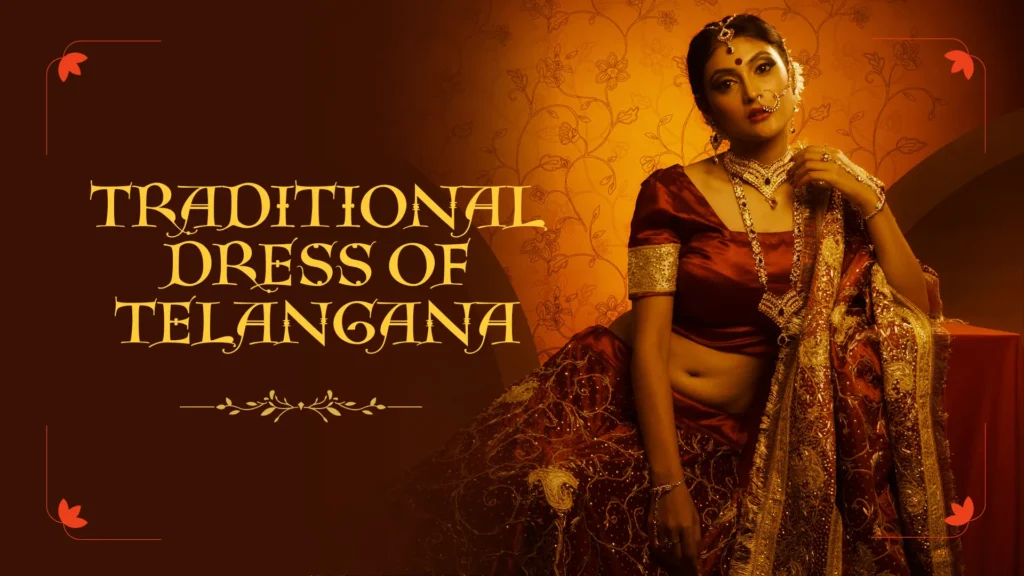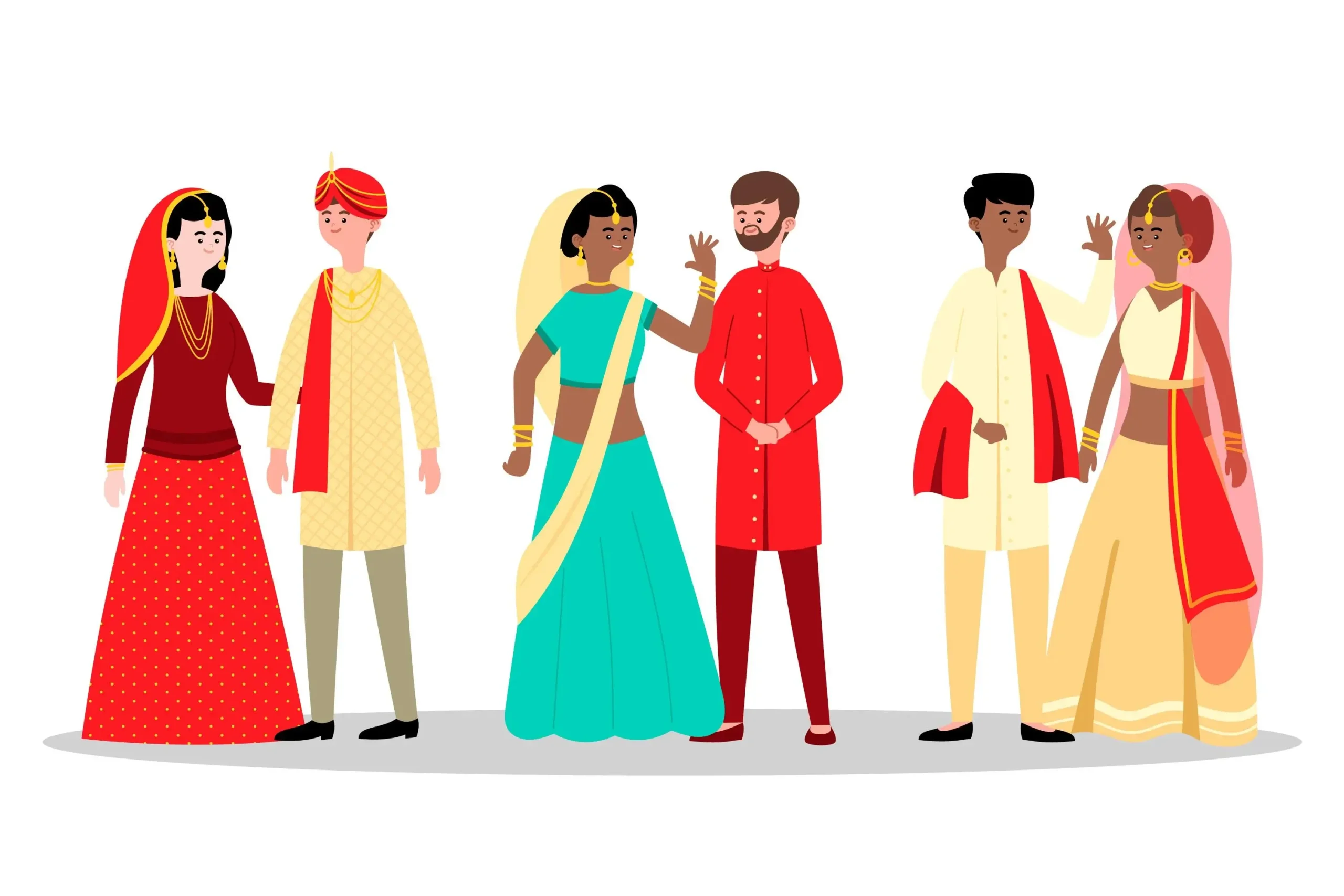
The traditional dress of Maharashtra has evolved over centuries, shaped by its climate, geography, occupations, and rich Maratha heritage. Designed for comfort, mobility, and dignity, Maharashtra Traditional Dress for Men and Women reflects a lifestyle deeply connected to culture, festivals, and everyday life. The clothing traditions of men and women remain distinct yet equally symbolic, representing strength, grace, and regional identity.
Understanding Maharashtra’s Cultural Background
Maharashtra is one of India’s largest and most diverse states, home to different regions such as Konkan, Vidarbha, Marathwada, and Western Maharashtra. The climate ranges from humid coastal areas to dry inland plains, which has greatly influenced clothing styles. Traditionally, Maharashtrian attire evolved to suit agricultural work, long travel, warfare, and social customs.
The clothing of the Maratha era, especially during the reign of Chhatrapati Shivaji Maharaj, played a key role in shaping what we now recognize as traditional Maharashtrian dress. Practicality, freedom of movement, and dignity were always prioritized, values that remain evident even today.
Traditional Dress of Maharashtrian Men
The Dhoti (Dhotar): Foundation of Men’s Attire
The dhoti, also known locally as dhotar, is the most iconic traditional garment worn by Maharashtrian men. It is an unstitched piece of cloth, usually white or off-white, wrapped around the waist and legs. The style allows comfort in hot weather and flexibility for physical labor.
The way the dhoti is draped varies slightly by region and occasion. During daily wear, it is kept simple, while for religious ceremonies and weddings, it is worn with precise pleats and paired with a traditional upper garment.
Kurta, Angarkha, and Upper Garments
The dhoti is typically worn with:
- Kurta: A long, loose shirt, often made of cotton or silk.
- Angarkha: A traditional wrap-style tunic with side ties, historically worn by Maratha warriors and nobles.
White remains the most common color, symbolizing purity and humility, though pastel shades and cream are also popular during celebrations.
Pheta: The Maharashtrian Turban
No traditional Maharashtrian men’s outfit is complete without the pheta (turban). The pheta is more than a fashion accessory, it represents honor, courage, and respect. Traditionally made from cotton or silk, it is tied in various styles depending on the region.
Different cities are known for distinct pheta styles:
- Puneri Pheta: Simple and elegant
- Kolhapuri Pheta: Bold and tightly wrapped
- Shahi Pheta: Decorative and worn during weddings
Bright colors like saffron, red, and cream are especially popular during festivals.
Footwear and Accessories for Men
- Kolhapuri Chappals: Handcrafted leather sandals, durable and stylish
- Waistband (Patka or Kamarbandh): Used historically for carrying weapons or essentials
- Rudraksha or Tulsi Mala: Common spiritual accessories
Together, these elements create a dignified yet practical traditional look for Maharashtrian men.
Traditional Dress of Maharashtrian Women
Nauvari Saree: The Pride of Maharashtra
The Nauvari saree, also called the Kashta saree, is the most distinctive traditional attire for Maharashtrian women. Unlike the common six-yard saree, the Nauvari is nine yards long and is draped in a unique style that resembles a dhoti.
This draping style allows ease of movement, which was especially useful for women engaged in farming, household work, and even warfare in historical times. The Nauvari symbolizes strength, independence, and grace.
Styles of Nauvari Draping
There are several Nauvari draping styles across Maharashtra:
- Brahmani Style: Elegant and commonly worn during religious ceremonies
- Kashta Style: Dhoti-style drape, associated with warrior women
- Gol Saree Style: Popular in urban and festive settings
Fabrics range from cotton for daily wear to silk for weddings and festivals.
Paithani Saree: Royal Elegance
Among the most luxurious traditional sarees of India, the Paithani saree holds a special place in Maharashtrian culture. Originating from the town of Paithan, this handwoven silk saree is known for its rich colors, peacock motifs, and intricate gold zari work.
Paithani sarees are often passed down through generations and are considered an essential part of bridal trousseaus. Wearing a Paithani is not just about style, it is about heritage and pride.
Blouse (Choli) and Traditional Jewelry
The Nauvari saree is paired with a traditional choli, usually short-sleeved and well-fitted. Jewelry plays a crucial role in completing the Maharashtrian woman’s look:
- Nath: Traditional nose ring
- Green Glass Bangles: Symbol of prosperity
- Mangalsutra: Sign of marriage
- Gold Jewelry: Including necklaces, earrings, and waist belts
These ornaments enhance the cultural richness of the attire.
Also Read – Rs 149 bear design long-sleeve baby jumpsuit thespark shop
Traditional Dress and Festivals of Maharashtra
Traditional dress comes alive during Maharashtra’s vibrant festivals. Events like Ganesh Chaturthi, Gudi Padwa, and weddings see men and women proudly wearing traditional outfits.
- Men wear freshly starched dhotis, kurtas, and colorful phetas.
- Women adorn Nauvari or Paithani sarees, traditional jewelry, and flowers in their hair.
Clothing becomes a powerful expression of devotion, celebration, and community bonding during these occasions.
Regional Variations in Maharashtrian Attire
While dhoti and Nauvari form the core of traditional clothing, regional influences add diversity:
- Konkan Region: Lightweight cotton clothing due to humidity
- Vidarbha: Simpler sarees with minimal zari work
- Kolhapur Region: Bold jewelry and distinctive turban styles
These variations reflect local climate, occupation, and cultural practices.
Modern Influence and Contemporary Adaptations
With urbanization and globalization, traditional Maharashtrian dress has evolved. Today:
- Men may pair dhotis with modern-cut kurtas
- Women experiment with pre-stitched Nauvari sarees
- Paithani motifs appear in designer sarees and lehengas
Despite these changes, the essence of tradition remains intact. Young generations proudly wear traditional attire during festivals and cultural events, keeping the heritage alive.
Symbolism and Cultural Identity
Maharashtra’s traditional dress for men and women goes beyond clothing, it symbolizes:
- Equality and strength, especially seen in the Nauvari saree
- Discipline and dignity, reflected in men’s attire
- Respect for tradition, passed down through families
In a rapidly modernizing world, these garments serve as a reminder of cultural roots and values.
Why Maharashtra’s Traditional Dress Still Matters
Traditional attire continues to play a vital role in:
- Preserving regional identity
- Supporting local artisans and weavers
- Educating future generations about cultural heritage
By wearing and celebrating traditional dress, people contribute to the survival of age-old craftsmanship and customs.
Conclusion
From the elegant dhoti and pheta worn by men to the powerful and graceful Nauvari saree worn by women, Maharashtra’s traditional dress is a reflection of resilience, culture, and pride. These garments tell stories of history, social values, and regional diversity while continuing to evolve with time.
Maharashtra traditional dress for men and women is not just attire, it is living heritage. Whether worn during festivals, weddings, or cultural events, it remains a timeless symbol of identity and tradition, connecting the past with the present and inspiring future generations.
FAQs
1: What is the traditional dress of Maharashtra for men and women?
The Maharashtra Traditional Dress for Men and Women includes the dhoti, kurta, and pheta for men, while women traditionally wear the Nauvari (Kashta) saree or Paithani saree along with traditional jewelry.
2: Why is the Nauvari saree important in Maharashtra’s culture?
The Nauvari saree is important because it represents strength, independence, and tradition. Its unique nine-yard dhoti-style drape allowed women freedom of movement and reflects Maharashtra’s historical and cultural values.
3: What is the significance of the pheta in men’s traditional attire?
The pheta, or traditional turban, symbolizes honor, pride, and respect in Maharashtrian culture. Different regions have distinct pheta styles, and it is commonly worn during festivals, weddings, and ceremonial events.
4: When do people wear traditional Maharashtrian dress?
Traditional attire is mostly worn during festivals like Ganesh Chaturthi and Gudi Padwa, weddings, religious ceremonies, and cultural programs. Many people also wear it to celebrate regional identity.
5: What fabrics are commonly used in Maharashtra traditional dress?
Cotton is widely used for daily wear due to the warm climate, while silk fabrics like Paithani are preferred for weddings and special occasions. These fabrics ensure comfort while maintaining elegance.
6: How has Maharashtra Traditional Dress for Men and Women changed in modern times?
In modern times, traditional clothing has evolved with contemporary designs such as pre-stitched Nauvari sarees and stylish kurtas. However, the cultural essence and traditional significance remain unchanged.