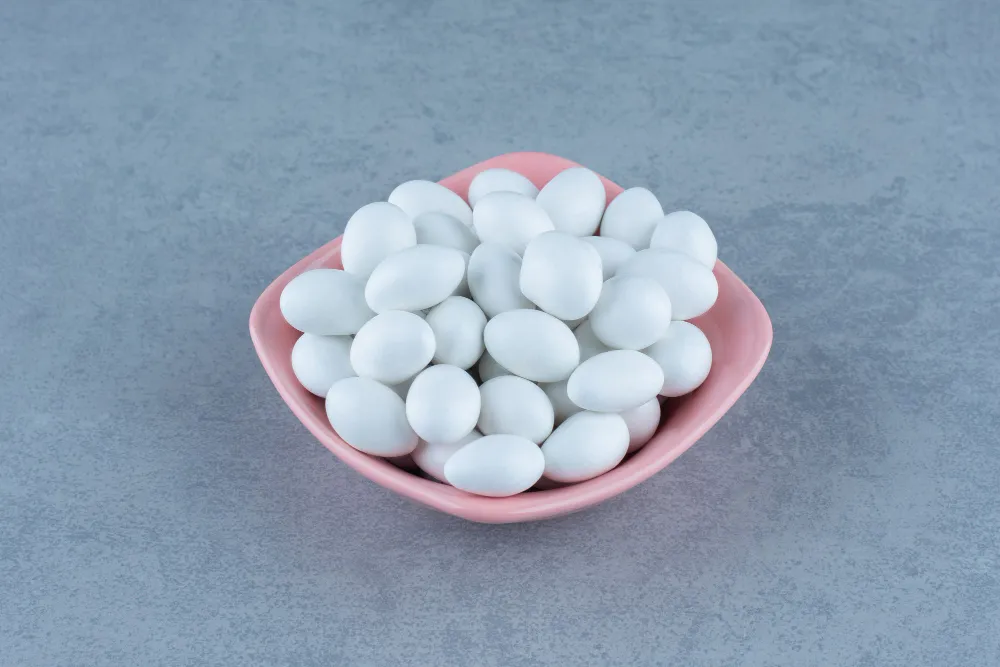
Naphthalene balls, commonly referred to as mothballs, have been used in households for generations. They are small, white, round balls known for their strong and distinctive smell. Many people associate that smell with stored winter clothes, old trunks, and tightly closed wardrobes. Although they are widely used for protecting clothes and controlling odors, there is much more to understand about how they work and the risks involved in using them.
What Are Naphthalene Balls?
Naphthalene balls are solid chemical products primarily made from naphthalene, a compound derived from coal tar or petroleum. They are designed to slowly release a strong-smelling vapor that repels insects, especially fabric-eating moths.
Naphthalene belongs to a class of chemicals known as polycyclic aromatic hydrocarbons. It appears as a white crystalline solid at room temperature and has a very strong odor. Because of its chemical structure, it easily transitions from a solid to a gas without becoming liquid first. This property plays a crucial role in how naphthalene balls function.
In some modern products, paradichlorobenzene is used instead of naphthalene. Although slightly different chemically, it serves a similar purpose in repelling insects and controlling odors.
How Naphthalene Balls Work
Naphthalene balls function through a process called sublimation. Sublimation occurs when a solid substance turns directly into vapor without passing through a liquid phase. When naphthalene balls are placed in an enclosed space such as a wardrobe or storage trunk, they gradually release fumes into the surrounding air.
These fumes are toxic to moth larvae and other insects. Moths lay eggs on fabrics made of natural fibers such as wool and silk. When the eggs hatch, the larvae feed on these fibers, causing holes and damage to clothing. The vapors released by naphthalene balls either kill the larvae or repel adult moths from laying eggs in the first place.
For naphthalene balls to work effectively, the space must be tightly sealed. If the area is too ventilated, the fumes disperse quickly, reducing their effectiveness and potentially spreading chemical vapors into living spaces.
Common Uses of Naphthalene Balls
Protecting Clothes from Moths
The most common use of naphthalene balls is protecting clothing during long-term storage. Natural fibers such as wool, silk, and cashmere are particularly vulnerable to moth damage. When winter clothes are stored during warmer months, they become easy targets for moth infestations.
Placing naphthalene balls in storage boxes or sealed wardrobes helps create an environment that discourages moth activity. Many people use them when storing blankets, sweaters, shawls, and suits for extended periods. In areas with humid climates, where insect activity is higher, naphthalene balls are often considered a preventive measure.
Household Pest Control
In addition to moth control, some households use naphthalene balls to repel cockroaches, ants, silverfish, and other insects. They may be placed in bathroom corners, under sinks, or inside cabinets. However, it is important to note that naphthalene balls are specifically formulated for moth control. Their effectiveness against other pests is not always reliable.
Using them in open areas for general pest control can also increase the risk of inhaling chemical fumes, which may lead to health concerns.
Odor Control
Naphthalene balls are also used in washrooms and urinals to control unpleasant smells. The strong chemical scent masks foul odors in enclosed spaces. This is why they are commonly found in public restrooms and certain commercial settings.
Although they help in odor masking, they do not eliminate the source of the odor. Instead, they overpower it with their own strong smell.
Benefits of Using Naphthalene Balls
One of the main reasons for the continued popularity of naphthalene balls is their affordability. They are inexpensive and widely available in supermarkets and general stores. This makes them accessible to a large number of households.
Another advantage is their long-lasting effect. A few naphthalene balls can continue releasing fumes for several weeks or even months, depending on the storage conditions. This makes them convenient for long-term clothing storage.
They are also easy to use. No complicated setup is required. Simply placing them in a sealed container with clothes is enough to activate their protective function.
Their compact size allows them to fit into small storage spaces without taking up much room. For people with limited storage space, this can be an added advantage.
Health Risks and Safety Concerns
Despite their benefits, naphthalene balls come with significant health risks that should not be ignored.
Toxicity if Ingested
Naphthalene is a toxic substance. If swallowed, it can cause serious health problems. Symptoms of ingestion may include nausea, vomiting, abdominal pain, and headaches. In severe cases, it can damage red blood cells, leading to a condition known as hemolytic anemia.
Children are particularly at risk because the small, white balls may resemble candy. Pets, especially dogs and cats, may also accidentally ingest them. Immediate medical attention is necessary if ingestion occurs.
Harmful Fumes
Prolonged exposure to naphthalene fumes can cause respiratory irritation, dizziness, headaches, and nausea. People with asthma or other breathing conditions may be especially sensitive to these vapors.
Continuous inhalation in poorly ventilated areas may contribute to indoor air pollution. Over time, this can affect overall indoor air quality and potentially impact health.
Skin and Eye Irritation
Direct contact with naphthalene balls may cause skin irritation in some individuals. Touching them and then rubbing the eyes can also lead to eye irritation. Washing hands after handling them is important to reduce these risks.
Risks to Vulnerable Individuals
Infants, elderly individuals, pregnant women, and people with pre-existing health conditions may be more vulnerable to the effects of chemical exposure. Using naphthalene balls in shared living spaces can increase exposure risks for everyone in the household.
Safe Usage Guidelines
If you decide to use naphthalene balls, following proper safety practices is essential.
They should only be used in airtight or tightly sealed containers. This ensures that the fumes remain concentrated within the storage space rather than spreading throughout the home.
Avoid placing them directly on clothes. Wrapping them in paper or placing them inside a breathable pouch can prevent direct chemical contact with fabrics.
Keep them out of reach of children and pets at all times. Store unused balls in sealed containers and in high or locked cabinets.
Ensure that stored clothes are aired out before wearing them. Washing garments after removing them from storage can further reduce chemical residue.
Always wash hands thoroughly after handling naphthalene balls to minimize skin contact.
Environmental Impact
Naphthalene is not an environmentally friendly substance. When disposed of improperly, it can contaminate soil and water. Because it does not break down easily, it may persist in the environment for extended periods.
Improper disposal in household trash or drains can contribute to environmental pollution. Additionally, the fumes released indoors contribute to indoor air contamination.
As environmental awareness increases, many people are seeking alternatives that are less harmful to both human health and the ecosystem.
Also Read – Wheatish Skin
Alternatives to Naphthalene Balls
Several natural and less toxic alternatives are available for protecting clothes and controlling pests.
Cedarwood blocks are a popular option. Cedar naturally repels moths due to its aromatic oils. It also leaves a pleasant woody fragrance in closets and storage boxes.
Lavender sachets filled with dried lavender flowers provide both a fresh scent and mild insect-repelling properties. They are widely used in wardrobes and drawers.
Neem leaves have long been used in traditional practices for protecting stored clothing. Neem contains natural compounds that repel insects.
Camphor, when derived from natural sources, can also act as a moth deterrent. However, it should still be used carefully and in moderation.
Essential oils such as peppermint, eucalyptus, and rosemary may offer insect-repelling benefits when applied to cotton balls or sachets placed in storage areas.
These alternatives are generally safer and more environmentally friendly, although their effectiveness may vary compared to chemical mothballs.
Conclusion
Naphthalene balls have been a traditional solution for protecting clothes and controlling odors for many years. Their affordability, availability, and long-lasting properties make them appealing for household storage needs.
However, the health risks associated with their toxic fumes and potential ingestion cannot be overlooked. Improper use can pose dangers to children, pets, and vulnerable individuals. Additionally, their environmental impact raises concerns about long-term sustainability.
While they remain effective in tightly sealed storage spaces, many households are now turning to safer, natural alternatives such as cedarwood, lavender, and neem. These options protect with fewer health and environmental risks.
FAQs
1. How long do naphthalene balls last?
Naphthalene balls typically last between two to three months. Their lifespan depends on factors such as temperature, humidity, and ventilation. In warmer environments, they sublimate faster and may disappear more quickly. In tightly sealed containers, they tend to last longer because the fumes remain concentrated.
2. Are naphthalene balls safe to use around children?
Naphthalene balls are not considered safe for use around children. The fumes can be harmful if inhaled over time, and the balls themselves pose a serious poisoning risk if swallowed. They should always be kept out of reach and used only in tightly sealed storage areas away from living spaces.
3. Can naphthalene balls be used in open rooms?
They are not recommended for use in open rooms. Naphthalene balls are designed to work in airtight or sealed containers where the fumes can build up to effectively repel moths. Using them in open areas reduces their effectiveness and increases the risk of inhaling chemical vapors.
4. Do naphthalene balls damage clothes?
When used properly in enclosed storage, they generally do not damage clothes. However, placing them directly in contact with fabrics may cause odor absorption or minor staining. It is best to wrap them in paper or keep them in a small pouch to avoid direct contact with garments.
5. What should I do if someone accidentally ingests a naphthalene ball?
If ingestion occurs, seek immediate medical attention. Contact a poison control center or visit the nearest emergency facility right away. Do not wait for symptoms to appear, as naphthalene poisoning can cause serious health complications.