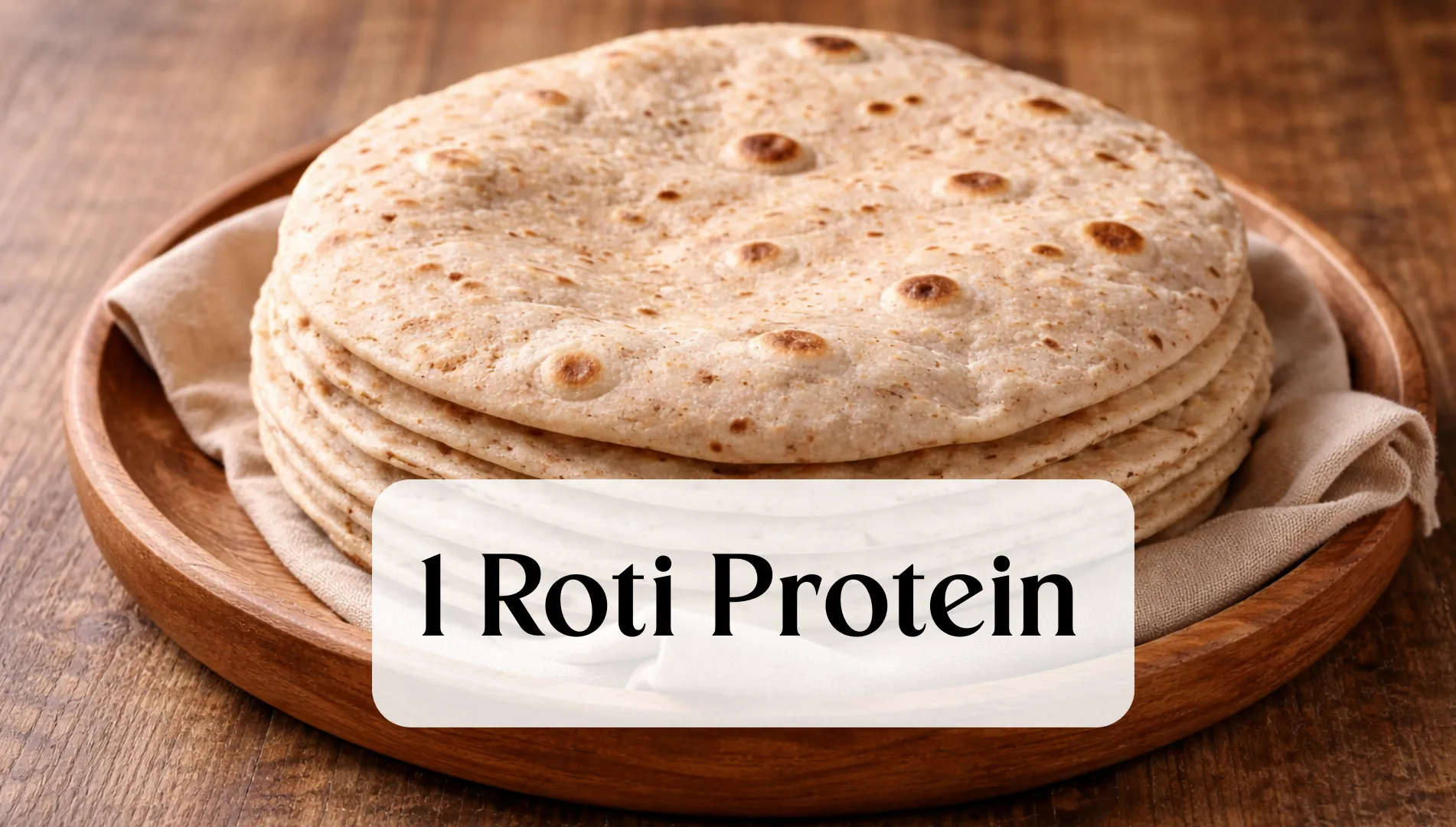
Roti is one of the most widely consumed staple foods in India and several other South Asian countries. It is a simple flatbread made primarily from whole wheat flour and cooked on a hot pan known as a tawa. In many households, roti is served daily with vegetables, lentils, paneer, or meat-based dishes. Because it forms the foundation of everyday meals, many people are curious about its nutritional value, especially the amount of protein it provides.
Protein is an essential nutrient that plays a vital role in building muscles, repairing tissues, supporting the immune system, and maintaining overall health. As awareness about nutrition grows, people are increasingly paying attention to how much protein they consume from common foods in their diet.
One of the most frequently asked questions is how much protein is present in a single roti. The answer depends on factors such as the size of the roti, the type of flour used, and the ingredients added during preparation. On average, a medium-sized wheat roti contains approximately 2.5 to 3 grams of protein.
Although roti is not considered a high-protein food compared to sources like eggs, paneer, or chicken, it still contributes to daily protein intake because it is eaten regularly and often in multiple servings. In this article, we will explore the protein content of roti, its nutritional value, different types of rotis and their protein levels, and ways to increase the protein content in your daily meals.
How Much Protein is in 1 Roti?
A standard roti is usually prepared using around 30 to 40 grams of whole wheat flour. Whole wheat flour naturally contains protein, which contributes to the protein content of the final roti.
On average, one medium-sized wheat roti contains approximately 2.5 to 3 grams of protein. When people consume two or three rotis in a meal, the total protein intake from roti increases accordingly. For example, two rotis may provide around 5 to 6 grams of protein, while three rotis can offer roughly 7 to 9 grams.
The exact protein amount in a roti can vary depending on several factors. The most important factor is the size of the roti. A larger roti made with more flour will naturally contain more protein. Similarly, the type of flour used during preparation also plays a role. Some flours contain more protein than others, which directly affects the nutritional value of the roti.
Another factor is the ingredients added to the dough. Some people mix additional flours such as gram flour or soy flour with wheat flour to enhance the protein content. These variations can significantly increase the protein level in a single roti.
Nutritional Value of 1 Roti
Apart from protein, roti contains several other nutrients that contribute to a healthy diet. A typical whole wheat roti provides a balanced combination of carbohydrates, fiber, and small amounts of essential vitamins and minerals.
A medium-sized roti usually contains around 70 to 80 calories. Most of these calories come from carbohydrates, which act as the primary source of energy for the body. The carbohydrates present in roti are complex carbohydrates, meaning they are digested slowly and provide steady energy throughout the day.
Roti also contains dietary fiber because it is made from whole wheat flour. Fiber plays an important role in supporting digestion, improving gut health, and preventing constipation. Foods rich in fiber also help people feel full for longer periods, which can support weight management.
In addition to carbohydrates and fiber, roti provides small amounts of important minerals such as iron, magnesium, and zinc. These minerals contribute to functions like oxygen transport in the body, muscle health, and immune system support. Whole wheat flour also contains B vitamins that help the body convert food into energy.
Because of this combination of nutrients, roti is considered a healthier alternative to refined carbohydrate foods such as white bread or highly processed snacks.
Protein in Different Types of Roti
Different types of roti are made using different kinds of flour. Each type of flour has its own nutritional profile, which means the protein content can vary depending on the type of roti consumed.
Wheat Roti
Wheat roti is the most common type of roti eaten in India. It is prepared using whole wheat flour and water. Whole wheat flour contains natural proteins, including gluten, which gives the dough elasticity and helps the roti maintain its structure during cooking.
A standard wheat roti generally contains around 2.5 to 3 grams of protein. While this amount is modest, wheat roti remains an important part of a balanced meal when combined with protein-rich foods.
Multigrain Roti
Multigrain roti is prepared by mixing different types of flour together. These may include wheat flour, millet flour, oat flour, or gram flour. The combination of grains improves the nutritional profile of the roti.
Because several grains are used together, multigrain roti usually contains slightly more protein than regular wheat roti. A typical multigrain roti may provide around 3 to 4 grams of protein. In addition to higher protein levels, multigrain roti often contains more fiber and micronutrients.
Bajra Roti
Bajra roti is made from pearl millet flour and is commonly consumed in regions such as Rajasthan and Gujarat. Bajra flour is naturally rich in minerals and dietary fiber.
A single bajra roti may contain around 3 to 4 grams of protein. Bajra roti is also known for being rich in iron and magnesium, which makes it beneficial for overall health.
Jowar Roti
Jowar roti is made from sorghum flour and is widely eaten in parts of Maharashtra and Karnataka. Jowar is naturally gluten-free and contains antioxidants and fiber.
A typical jowar roti contains approximately 2 to 3 grams of protein. Although the protein content is similar to wheat roti, jowar offers additional nutritional benefits such as improved digestion and better blood sugar control.
Besan Roti
Besan roti is prepared using gram flour, which is derived from chickpeas. Chickpeas are naturally high in plant-based protein.
Because of this, besan roti contains significantly more protein than many other types of roti. A single besan roti may provide around 4 to 6 grams of protein. This makes it one of the best options for people who want to increase their protein intake through vegetarian foods.
Is Roti a Good Source of Protein?
Roti provides a moderate amount of protein, but it is not considered a primary source of protein. Foods such as eggs, paneer, lentils, chicken, and fish contain significantly higher amounts of protein compared to roti.
However, roti becomes part of a protein-rich meal when it is combined with other foods that contain higher levels of protein. Traditional Indian meals often include combinations such as roti with dal, roti with paneer curry, or roti with chickpea curry. These combinations create a more balanced nutritional profile and increase the total protein content of the meal.
For example, a meal that includes two rotis and a bowl of dal can provide more than ten grams of protein. When roti is paired with paneer or chicken, the protein content becomes even higher.
Therefore, while roti alone does not provide large amounts of protein, it still plays an important role as part of a balanced diet that includes other protein-rich foods.
Also Read – MyHealthyFlex com
How to Increase Protein in Your Roti
There are several ways to make roti more protein-rich without changing the taste too much. One simple method is to mix soy flour with wheat flour when preparing the dough. Soy flour is one of the richest plant-based sources of protein and can significantly increase the overall protein content of roti.
Another effective method is adding gram flour, also known as besan, to the wheat flour mixture. Even a small quantity of besan can boost the protein level while also adding a slightly nutty flavor to the roti.
Using multigrain flour is another popular approach. Multigrain flour typically contains a blend of wheat, millet, oats, and sometimes soy or gram flour. This combination increases both protein and fiber while also providing a wider range of nutrients.
Stuffed rotis are also an excellent way to improve protein intake. Paneer stuffed roti, for example, provides significantly more protein than plain roti. Some people also prepare stuffed rotis using soybean granules, sprouts, or eggs.
In addition to modifying the roti itself, pairing roti with high-protein foods can greatly increase the total protein intake of a meal. Traditional combinations such as roti with lentils, chickpeas, paneer, or yogurt help create a nutritionally balanced plate.
Roti vs Rice: Which Has More Protein?
Roti and rice are two of the most commonly consumed staple foods in India. Many people often compare their nutritional value, especially when it comes to protein.
A single roti typically contains around 2.5 to 3 grams of protein. A cup of cooked rice contains slightly more protein, usually around 3 to 4 grams. However, rice also contains significantly more calories because it is usually eaten in larger quantities.
Another important difference between roti and rice is fiber content. Whole wheat roti contains more dietary fiber than white rice, which can help improve digestion and promote a feeling of fullness.
Roti also has a lower glycemic index compared to white rice. This means it causes a slower rise in blood sugar levels, making it a better choice for people who want to manage their blood sugar.
Because of these reasons, many nutritionists recommend roti over rice for individuals who are trying to control their weight or maintain stable energy levels throughout the day.
How Many Rotis Should You Eat Daily for Protein?
The number of rotis a person should eat depends on their daily calorie and protein requirements. These requirements vary based on factors such as age, gender, activity level, and overall health.
On average, adult women need around 46 grams of protein per day, while adult men require around 56 grams. Athletes or individuals who engage in intense physical activity may need significantly more protein to support muscle repair and growth.
Since a single roti provides around three grams of protein, relying solely on roti to meet daily protein needs would require eating an unrealistically large number of rotis. Therefore, it is important to include other protein-rich foods in the diet.
Roti should be viewed as one component of a balanced meal rather than the main source of protein. Combining roti with lentils, beans, dairy products, eggs, or meat helps ensure that the body receives adequate protein throughout the day.
Conclusion
Roti is one of the most important staple foods in Indian cuisine and continues to play a central role in everyday meals. A typical wheat roti contains approximately 2.5-3 g of protein, along with carbohydrates, fibre, and essential nutrients.
Although roti is not a high-protein food in itself, it contributes to daily protein intake when consumed as part of a balanced diet. Pairing roti with foods such as lentils, paneer, chickpeas, eggs, or lean meats can significantly increase the protein content of a meal.
Simple changes such as using multigrain flour, adding gram flour or soy flour, or preparing stuffed rotis can also help boost protein intake. These adjustments allow people to enjoy their traditional meals while improving their overall nutritional balance.
Frequently Asked Questions
How much protein is there in 1 roti?
A medium-sized wheat roti typically contains around 2.5 to 3 grams of protein. The exact amount can vary depending on the size of the roti and the type of flour used. If the roti is made with additional ingredients like gram flour or soy flour, the protein content can be slightly higher.
Is roti a good source of protein?
Roti provides a moderate amount of protein but is not considered a high-protein food. However, when roti is combined with protein-rich foods such as dal, paneer, chickpeas, eggs, or chicken, it becomes part of a balanced and protein-rich meal.
Which type of roti has the highest protein?
Among common varieties, besan roti and soy flour roti tend to have higher protein content compared to regular wheat roti. Multigrain roti can also provide more protein because it contains a combination of different grains and legumes.
Can eating roti help with weight loss?
Yes, whole wheat roti can support weight loss when eaten in moderation. It contains fiber and complex carbohydrates that help keep you full for longer, reducing the chances of overeating and unhealthy snacking.
How can I increase the protein content in roti?
You can increase the protein content in roti by mixing wheat flour with besan (gram flour), soy flour, or multigrain flour. Another effective method is to pair roti with high-protein foods such as lentils, paneer, yogurt, eggs, or lean meats to create a more balanced meal.